
₹ 30,000
6N/7D
Kathmandu-Pokhara- mustang -Muktinath Tour
NepalAnnapurna Region
Book now

Book now
Plan my trip
A Thrilling Journey Across Everest’s Three High Passes
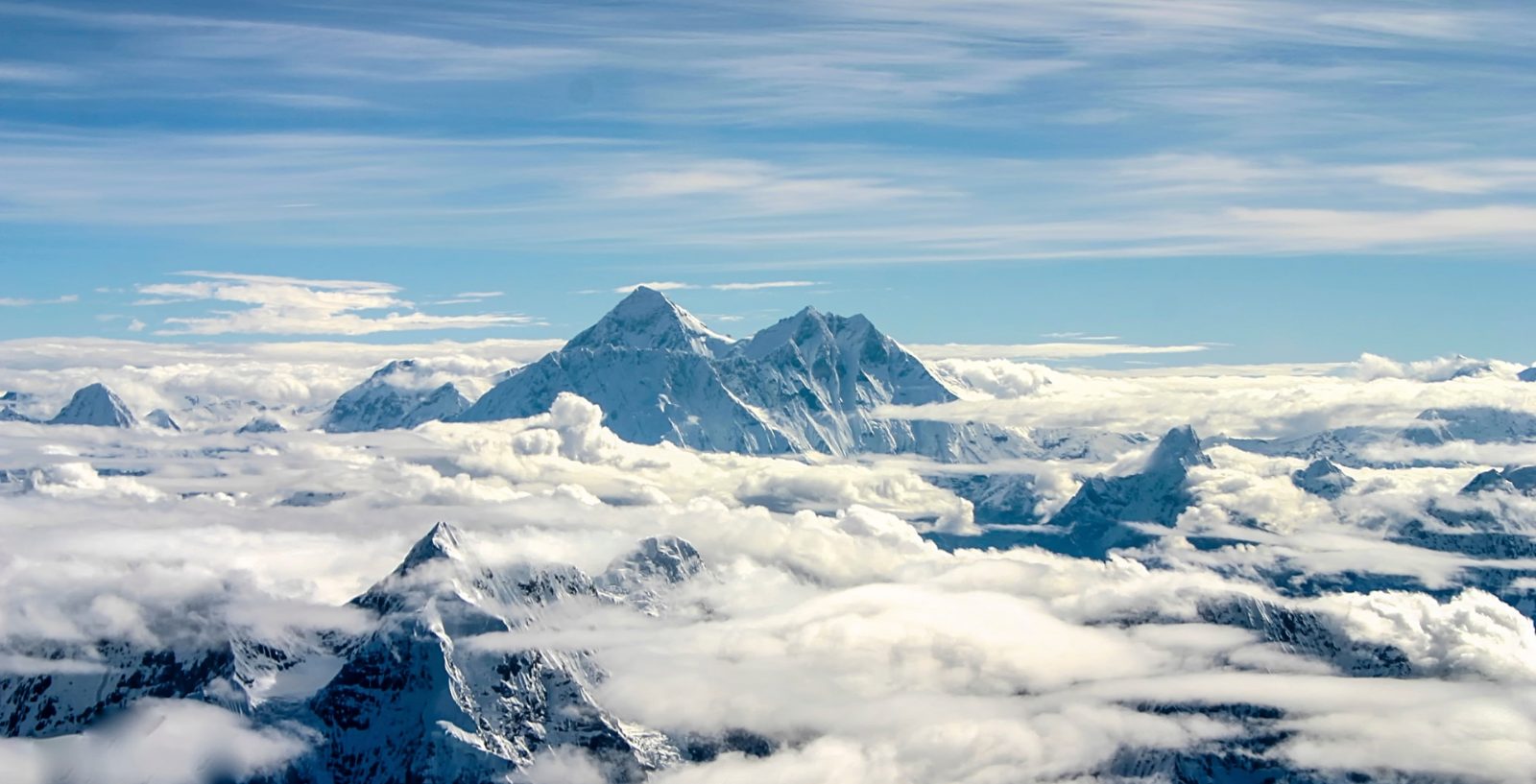
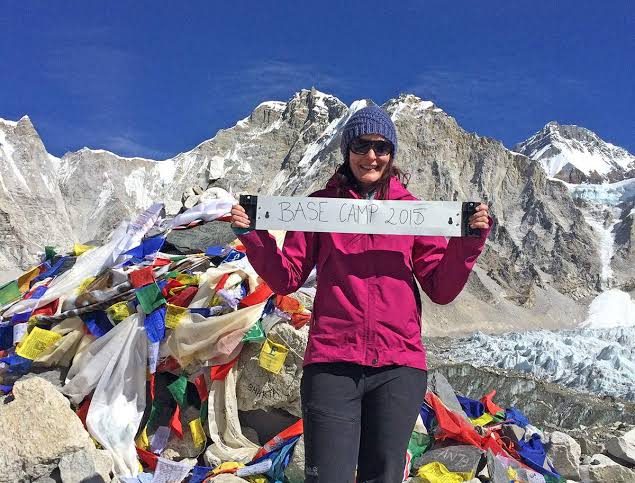
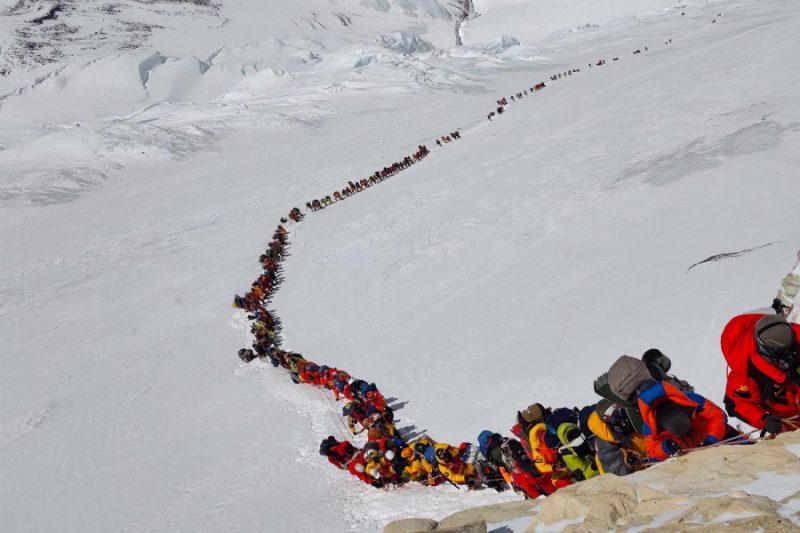
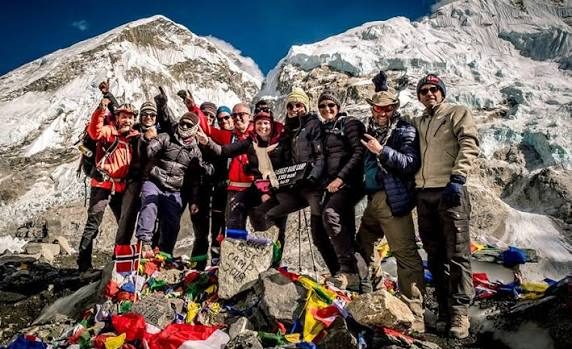
Kathmandu → Lukla → Namche → Tengboche → Dingboche → Gorak Shep → Everest Base Camp → Kala Patthar → Lukla → Kathmandu
An ultimate Himalayan adventure crossing the legendary Renjo La, Cho La and Kongma La passes, reaching altitudes of up to 5,545 meters. Experience the breathtaking beauty of the Everest region as you journey through remote mountain landscapes, traditional Sherpa villages, turquoise alpine lakes, glaciers, and spectacular views of Everest and the surrounding Himalayan peaks. This challenging 17-day trek is designed for adventure seekers looking for an unforgettable experience beyond the classic Everest Base Camp route.
Everest Three Pass Trek – 17 Days</p>
The Everest Three Pass Trek is the ultimate Himalayan adventure for trekkers seeking a challenging and unforgettable journey through the heart of the Everest region. This spectacular 17-day trek crosses three legendary high passes—Renjo La (5,360m), Cho La (5,420m), and Kongma La (5,535m)—while taking you through some of the most breathtaking landscapes in the Himalayas.</p>
The journey combines dramatic mountain scenery, ancient Sherpa villages, Buddhist monasteries, glacial valleys, high-altitude lakes, and spectacular views of **Mount Everest, Lhotse, Makalu, Ama Dablam, and Cho Oyu. Along the route, trekkers experience the unique culture and hospitality of the Sherpa people while exploring the remote and less-traveled parts of the Everest region.
The trek also includes iconic destinations such as Namche Bazaar, Gokyo Lakes, Everest Base Camp, and Kala Patthar, offering an incredible combination of adventure, natural beauty, and Himalayan culture.
With challenging high-altitude crossings, rugged trails, glaciers, and panoramic mountain views, the Everest Three Pass Trek is ideal for experienced trekkers looking to go beyond the classic Everest Base Camp route and experience the Himalayas at their most adventurous.
Maximum Altitude: 5,545m
Highest Pass: Kongma La – 5,535m
Duration: 17 Days
Difficulty: Challenging
Region: Everest / Khumbu, Nepal

The Everest Three Pass Trek will be starts with a flight to the Lukla. During peak trekking seasons (March, April, May, September, October, and November), flights from Kathmandu to Lukla may be diverted via Manthali Airport. To grab an early morning flight to lukla from Manthali, we will picked up you from your hotel at about 12:30 AM and we will take you on a 5-hour drive in vehicle to Manthali Airport. From Manthali airport, it’s takes about a 20-minute flight to Lukla. You can also rent a helicopter from Kathmandu to Lukla and skip the Kathmandu-Manthali-Lukla route. The shared helicopter cost between 5 passengers will be about $550 per person.
In December, January, February, June, July, or August, you'll fly direct from Kathmandu to Lukla. After breakfast, you'll be transferred to Tribhuvan International Airport (TIA) for a 40-minute flight to Lukla's Tenzing-Hillary Airport. After arriving in Lukla, we descend to the Thad Kosi River and cross several suspension bridges to reach Phakding. The hike is short and comfortable, and also allows you to acclimatize to the environment. In Phakding, you can visit the local Lemishun Monastery.
Start early in the morning from Phakding, walk north along the Dudh Kosi River, passing many suspension bridges including the Hillary Suspension Bridge. Our route will take you through Monjo village, deep forests and rocky paths to the checkpoint of Sagarmatha National Park, where you will register your permit and climb into the forest. From this forest you will see Mount Everest for the first time. However, you will continue hiking until you reach Namche Bazaar, your destination for the day.
Today is your altitude acclimatization day in Namche. We recommend you take a walk around Namche Bazaar. The town has many cafes, restaurants, souvenir shops and equipment stores with Wi-Fi. Other options include visiting Sagarmatha National Park Visitor Center, traditional Sherpa settlements, Hillary School, Khumjung Monastery and Dingboche Airport.
You will Leave Namche Bazaar, follow the Bhote Kosi via pine and rhododendron forests to Thame. Along the way, you will also see the clay-stucco stupa of Pulte. Further on you will reach Tamo and Tamo Gompa, from where the road descends steeply to the Khumbu Hydroelectric Power Plant and finally to Thame at the edge of the Khumbu Valley. Thame is home to many famous Sherpa climbers, including Apa Sherpa, who holds the world record for summiting Everest 21 times. Tenzing Norgay Sherpa along with Edmund Hillary, one of the first men to summit Everest, also grew up here.
This day, you will hike through villages, enjoying the countryside, vegetation and mountain views. In the bright morning, the brightly colored rocks, lichens, yaks and snow-capped mountains seem to come alive. The last village in the valley is Tharanga, but you will continue hiking through Malurung village (4200m) and finally reach Lundeng, your destination for the day. During your free time, you can visit Nakpa Valley, once an ancient trade route to Tibet. You can also hike to Chor Lermo Lake.
This day will be your most exciting day as you cross Lenjola Pass, the first pass on the route. Leaving Ryuden behind, we continue our journey towards the Lake Gokyo area, where depending on the season you can see various human activities, including yak huts. Once you reach Renjo La Pass, you can enjoy magnificent views of high peaks such as Mt. Everest (8848m), Mt. Lhotse (8516m), Mt. Makalu (8463m) and Mt. Cho Oyu (8201m). You will also see the third major Gokyo lake (out of five), Dudh Pokhari. Gokyo village is located above this lake. The track will then descends and enters the Gokyo Valley, but you need to be careful as the trail may be icy.
Acclimatizing to the altitude will give you time to ascend to the Gokyo Ri Viewpoint, from where you can enjoy mesmerizing views of the Everest region, including the Sonak Tso and Ngozma Tso lakes. 3 km north of Gokyo is Ngozumpa Tso Glacier (5,000 m) and a 5-minute walk will take you to Scoundrel's Viewpoint, which offers spectacular views of Cho Oyu, Everest, Lhotse, Nuptse and Makalu. To the north of Gokyo Lake 5 there are breathtaking views of Cho Oyu Base Camp and Ngozumpa Glacier, the longest glacier in the Himalayas.
This day you return to hiking and hike across the Ngozumpa Glacier, but the path is rocky and involves some ups and downs. As you hike down the valley along the eastern glacial deposits, breathtaking views open up and encourage us to continue further. Eventually you will reach a group of lodges known as Tangnak. This place is in a tranquil environment and ideally located for crossing the Chola High Pass.
Today you have a more challenging trek planned where you will hike through rocky paths and glacial deposits before finally reaching Dzongla. But the most exciting part will be crossing the Chola Pass (5420 m), which connects Dzongla to Tangnak. This pass offers amazing views of Everest and other Himalayan ranges. After enjoying the view from there, descend to Dzongla where you will spend the night.
After a night in Dzongla, you wake up the next day and continue our trek. Today's destination is Lobuche, where you return to the classic Everest Base Camp trek. But first you start the day by descending along the moraine to Cho La Lake. On the way, you see a memorial to climbers who died in the area. The hike to Lobuche is enjoyable. You will reach Lobuche by following the trails of Imja Khola Valley.
You finally reach Everest Base Camp. The hike starts with a hike through the moraine next to the Khumbu Glacier until you reach Gorak Shep.You have to Leave your bags at Gorak Shep and have to climb north to the Mount Everest Base Camp. The camp itself will be the base for climbers ascending and descending Everest. Reaching Everest Base Camp (EBC) is not an easy feat. Reaching EBC shows how determined you are. In a way, it is a victory over yourself, a victory of determination, positivity and perseverance. You will stay at EBC for a while and enjoy the amazing views that are rarely seen on earth. After taking a few photos, you will descend to Gorakshep and spend the night there.
The previous day you were at the base camp of Mt. Everest, but even upon reaching the base camp you could not see much of Mt. Everest. Therefore, this day provides an opportunity to see Everest up close in all its glory. To witness the dawn of Everest, you wake up early in the morning and hike to Kala Patthar (5,555 m), a famous lookout point of Everest. You stay at Kala Patthar for a while to enjoy the sunrise from Everest, then descend to Gorakshep for breakfast. After breakfast, return to your destination for the day - Lobuche.
During this time you will cross the last of the three passes whole on the way. This pass is considered the most difficult of the three. The hike starts from Lobuche. Climbing to Kongma La Pass is very much easy. The path is dotted with frozen lakes and mummified cranes mark the pass. From the pass you can see Lhotse, Lhotse Shal, Makalu, Baruntse and Ana Dablam. You went down from Kongma La Pass into the easternpart of the Nyigyan Khola Valley and reach the village of Chhukung. Sherpas use the area for yak grazing, but there are no permanent settlements. Recently, the area has become more popular as a trekking peak, and trekkers often use Chhukung for altitude acclimatization.
You continue your path by descending the Imja Khola Valley and passing through the village of Dingboche, known for its stone-walled potato fields and mountain pastures. Along the way you will also see the kalkas (highland huts) of Tura, Orsho and Shomare. Continuing the trek, you will reach the villages of Pangboche, the year-round habitation in the valley, and then to the Tengboche. From the viewpoint in Tengboche you will be able to enjoy breathtaking views of impressive peaks such as Ama Dablam (6856m), Everest (8848m), Nuptse (7861m) and Lhotse (8501m). You will also visit Tengboche Gompa, the oldest monastery in the Khumbu region.
The trail to Namche Bazaar passes through forests inhabited by highland fauna such as pheasants, musk deer, mountain goats and even snow leopards. It climbs steep slopes lined with chortens and hanging prayer flags. From the trail you can enjoy views of Everest's summit and the backside of Lhotse.
The last day of the trek will takes you back to the Lukla. After breakfast, you hike up the steep path that leads to the Hillary Suspension Bridge. You continue hiking through several villages in the Dudh Kosi River Valley until you reach Lukla.
Every day here can move. Tell us how many days you have, who is coming and what you want to see, and we will rewrite this itinerary around it — same guides, same published pricing.
The Everest Three Pass Trek is a challenging high-altitude trek suitable for experienced trekkers or physically fit adventurers. The trek involves long walking days, steep ascents, and crossing three passes above 5,300m.
The highest point is Kala Patthar at approximately 5,545m, while the highest of the three passes is Kongma La at 5,535m.
The trek crosses Renjo La (5,360m), Cho La (5,420m), and Kongma La (5,535m).
Previous high-altitude trekking experience is highly recommended. However, physically fit trekkers with good preparation can also undertake the trek with proper acclimatization and guidance.
The best seasons are spring (March–May) and autumn (September–November), when the weather is generally stable and mountain visibility is excellent.
Regular cardio, hiking, strength training, and long-distance walking before the trek are recommended. Good physical preparation will make the high-altitude sections more comfortable.
Accommodation is generally in comfortable local teahouses/lodges, offering basic rooms and shared facilities in the higher areas.
Teahouses offer a variety of meals including Dal Bhat, noodles, pasta, soup, rice, vegetables, eggs, Tibetan bread, and other local and international options. Vegetarian options are widely available.
For a challenging trek like Three Pass, traveling with an experienced licensed guide is strongly recommended. A porter can also carry your main luggage, allowing you to trek more comfortably.
Mountain weather can change quickly. Your guide will adjust the itinerary when necessary to prioritize safety and suitable trail conditions. Delays or route changes may occasionally be required.
The Three Pass Trek is more challenging and offers a much more comprehensive experience of the Everest region, combining three high passes, Gokyo Lakes, Everest Base Camp, Kala Patthar, glaciers, remote valleys, and spectacular Himalayan scenery.
Something else on your mind? Ask us — or read the general questions.
We publish reviews as they are written, and only from travellers we have actually taken. Yours would be the first for this one.
Nine Adventures · Assistant
Answers in seconds · free to ask
Namaste! I'm Nine Adventures' assistant. Ask me about our treks, prices, seasons or how to book — or send a photo and I'll tell you what I see.

